World's Best Medieval Armour Shopping Destination!


A padded gambison is a quilted textile armour

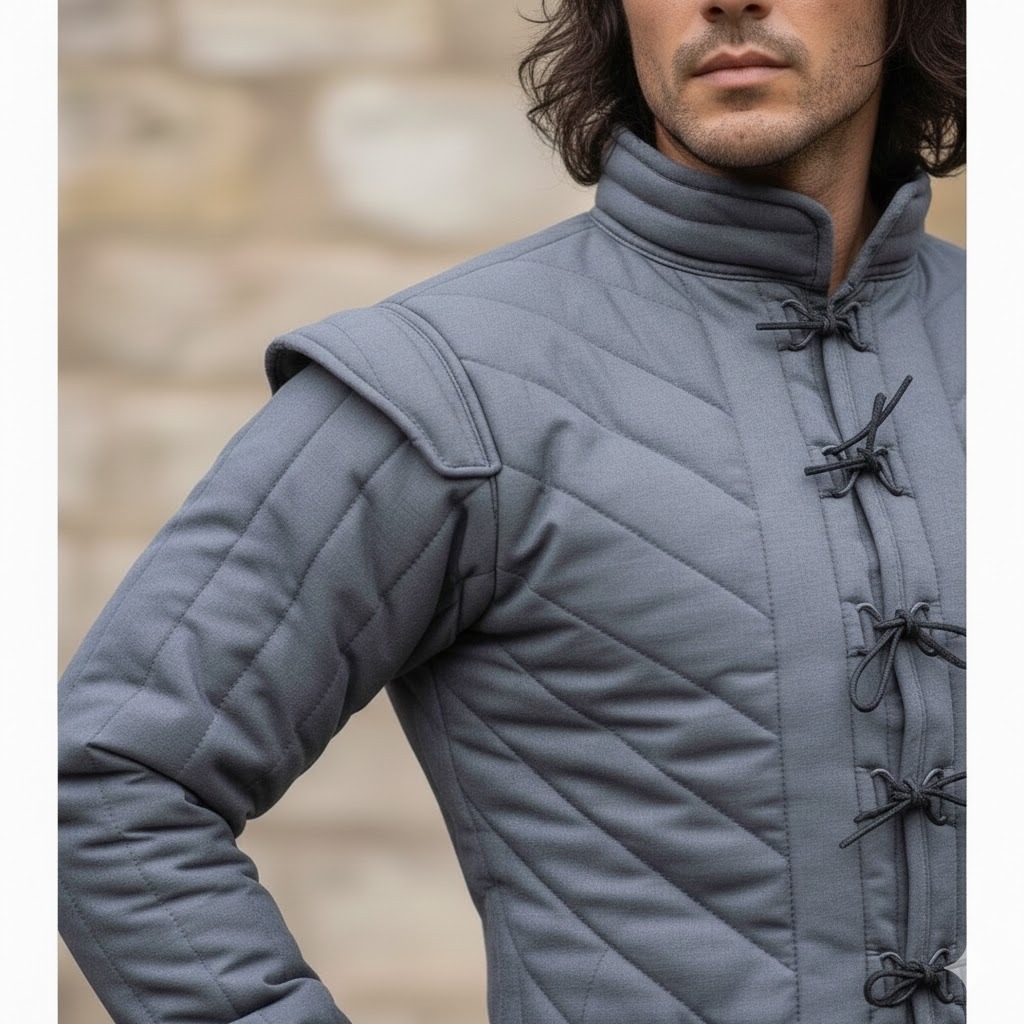
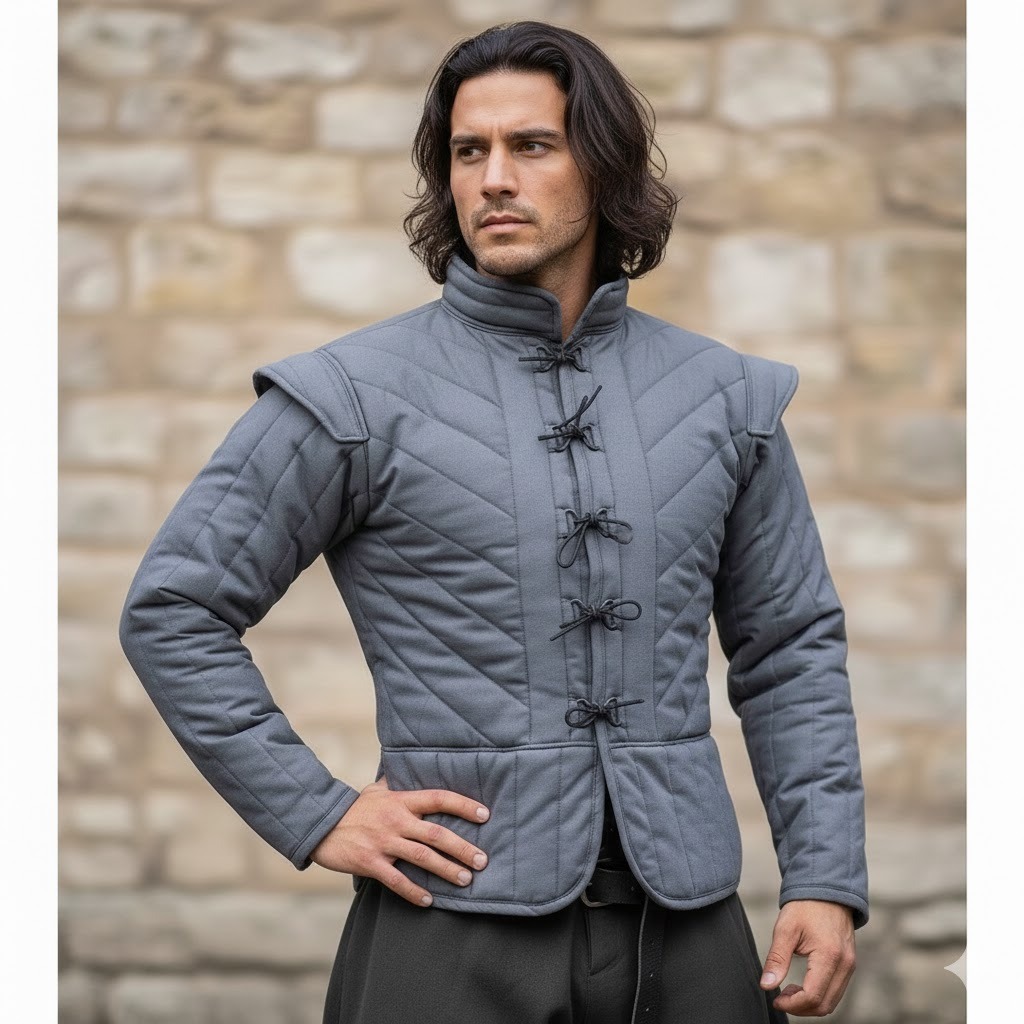
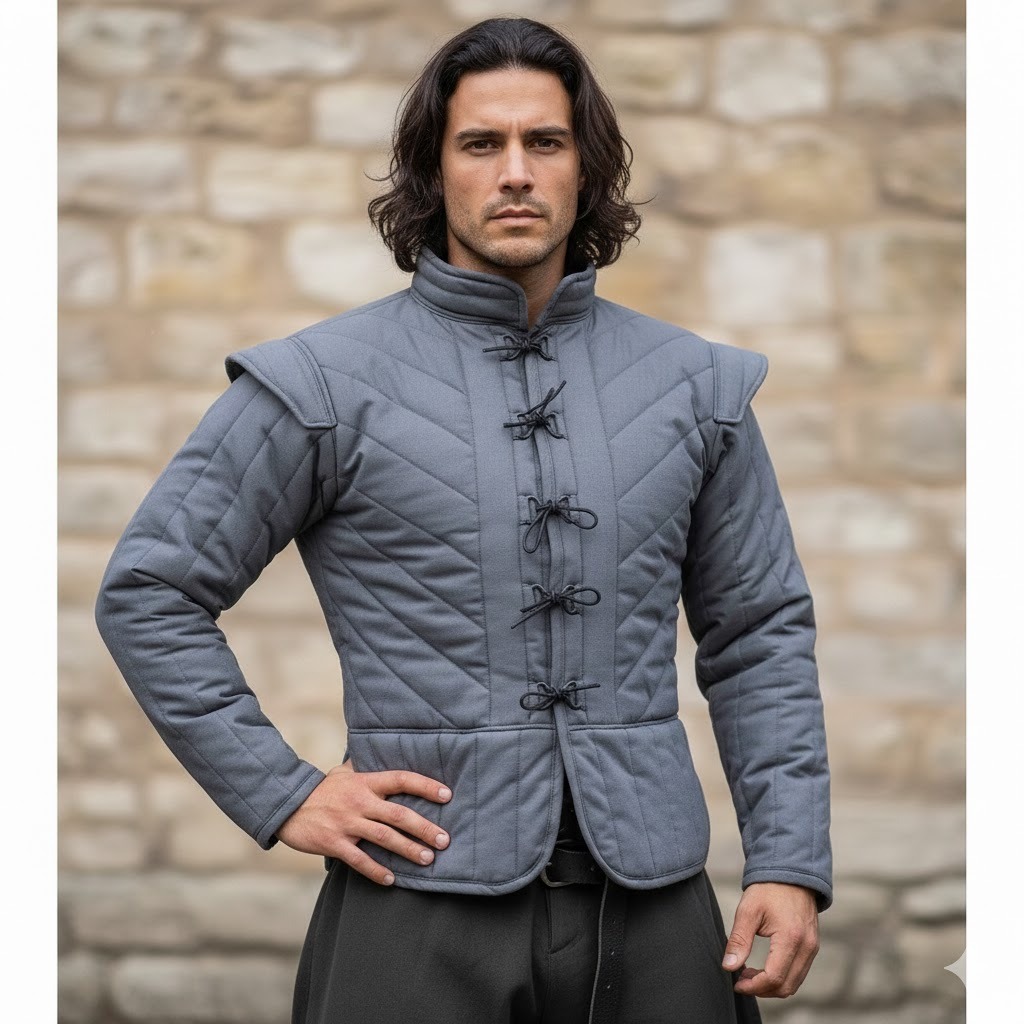
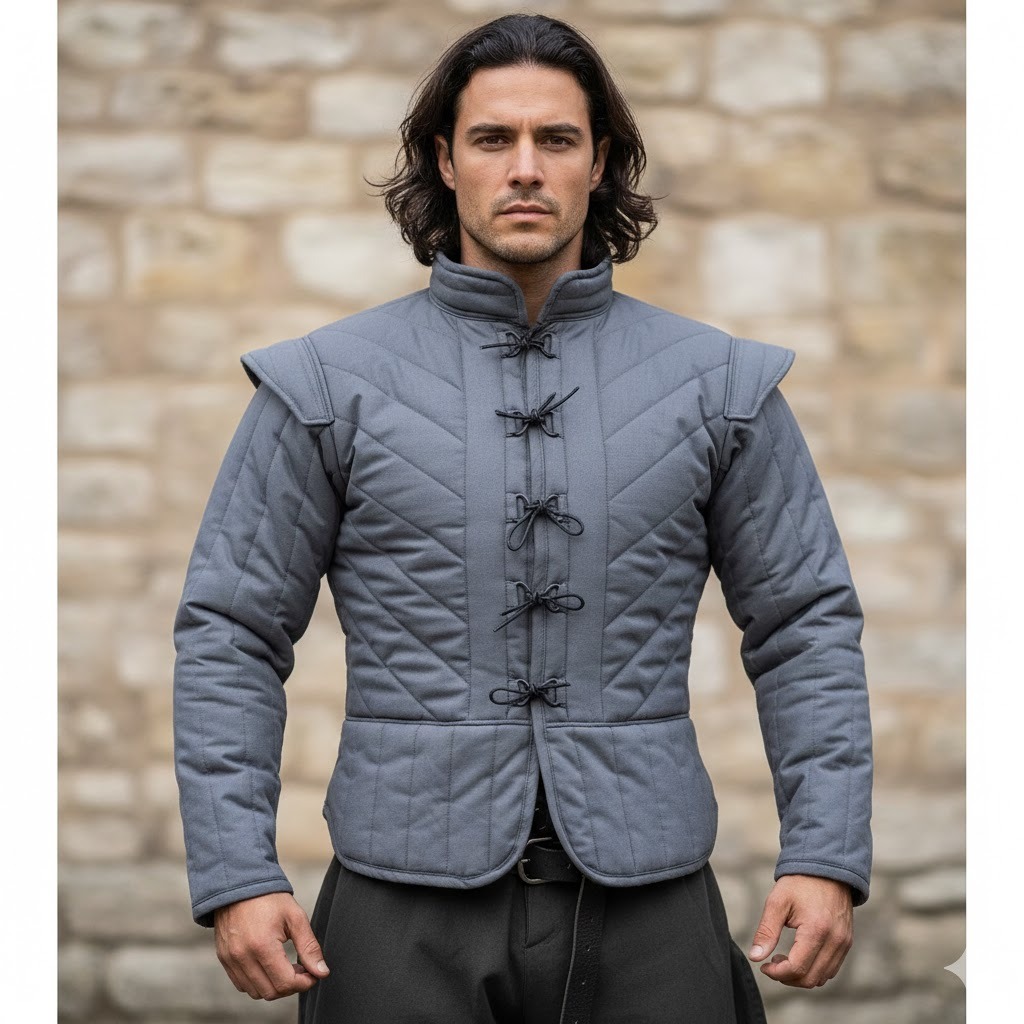
The cotton padded gambison is a form of textile armour designed to provide protection, comfort, and durability for soldiers, either worn on its own or beneath heavier defences. Constructed from multiple layers of tightly stitched fabric, the gambison functions by absorbing and dispersing the force of blows, reducing the risk of injury from cuts, strikes, and blunt trauma.

In a Roman military context, padded garments were most commonly used as sub-armour, worn beneath mail (lorica hamata) or scale (lorica squamata). While Roman gambeson-like armour was traditionally made from linen or wool, cotton padding represents a later or regional variation, influenced by expanding trade networks and contact with eastern provinces where cotton was more widely available. The padding was secured through dense quilting, often in vertical or diamond patterns, to prevent bunching and to maintain flexibility during movement.

The gambison typically took the form of a sleeveless or short-sleeved tunic, reaching the hips or upper thighs. Its close fit allowed it to be worn comfortably under metal armour, while still offering sufficient freedom of movement for marching, fighting, and daily duties. Cotton padding provided breathability and softness against the skin, improving endurance during long campaigns and reducing chafing caused by rigid armour.

In stock

₹ 220 ₹ 220

The cotton padded gambison is a form of textile armour designed to provide protection, comfort, and durability for soldiers, either worn on its own or beneath heavier defences. Constructed from multiple layers of tightly stitched fabric, the gambison functions by absorbing and dispersing the force of blows, reducing the risk of injury from cuts, strikes, and blunt trauma.

In a Roman military context, padded garments were most commonly used as sub-armour, worn beneath mail (lorica hamata) or scale (lorica squamata). While Roman gambeson-like armour was traditionally made from linen or wool, cotton padding represents a later or regional variation, influenced by expanding trade networks and contact with eastern provinces where cotton was more widely available. The padding was secured through dense quilting, often in vertical or diamond patterns, to prevent bunching and to maintain flexibility during movement.

loading..
Please wait...